Introduction
Eurozone inflation accelerated across several major economies in May 2026, with France, Italy, and Spain reporting stronger price growth as energy costs moved higher. The latest figures have renewed attention on the European Central Bank’s efforts to bring inflation back to its 2% target.
The data, released on May 29, comes as financial markets closely monitor the outlook for interest rates across the Eurozone.
Inflation Increases Across Major Eurozone Economies
Preliminary data showed annual inflation rising in France, Italy, and Spain during May.
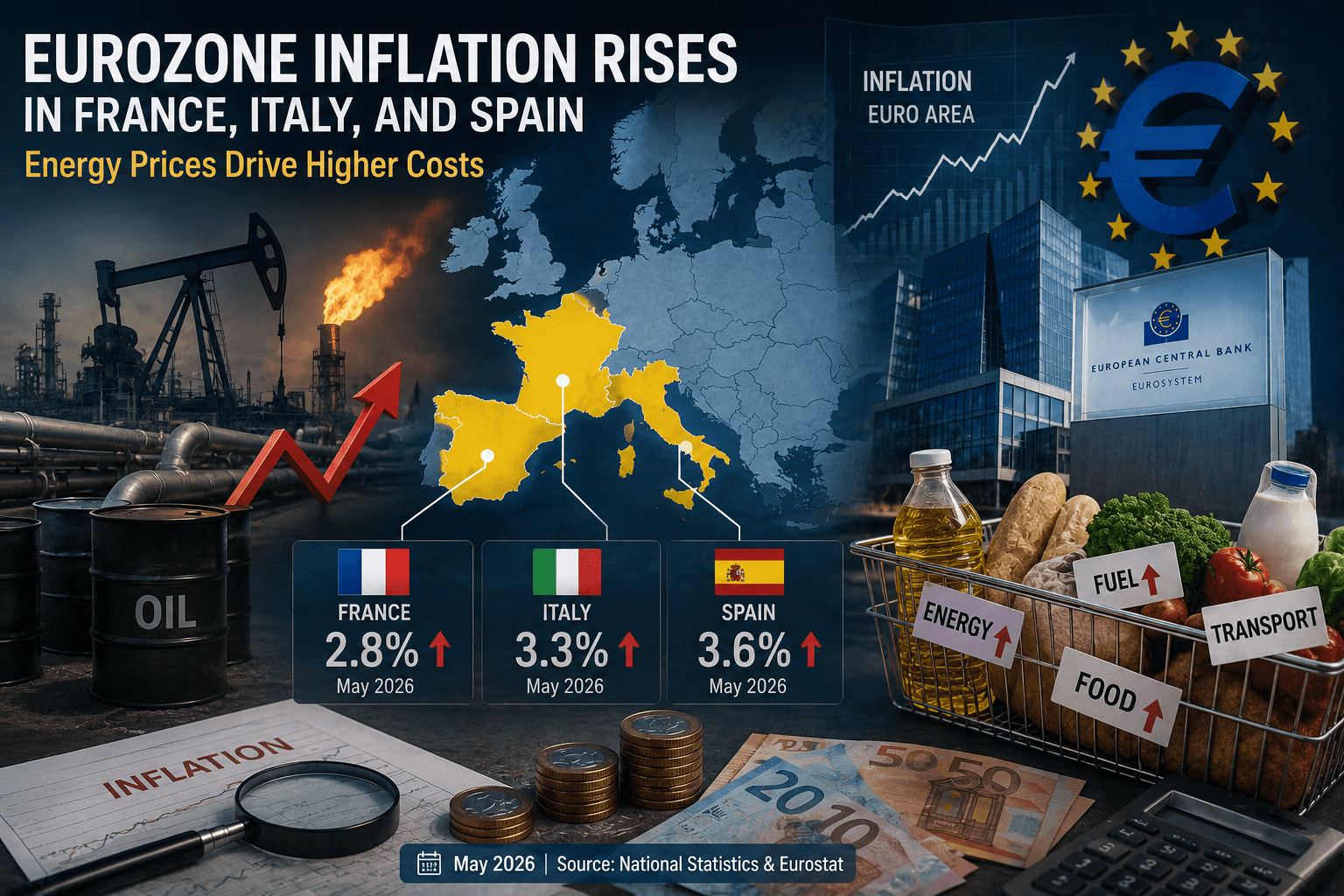
France reported inflation of approximately 2.8%, while Italy recorded around 3.3%. Spain’s harmonized inflation rate climbed to roughly 3.6%, reflecting an increase from previous months.
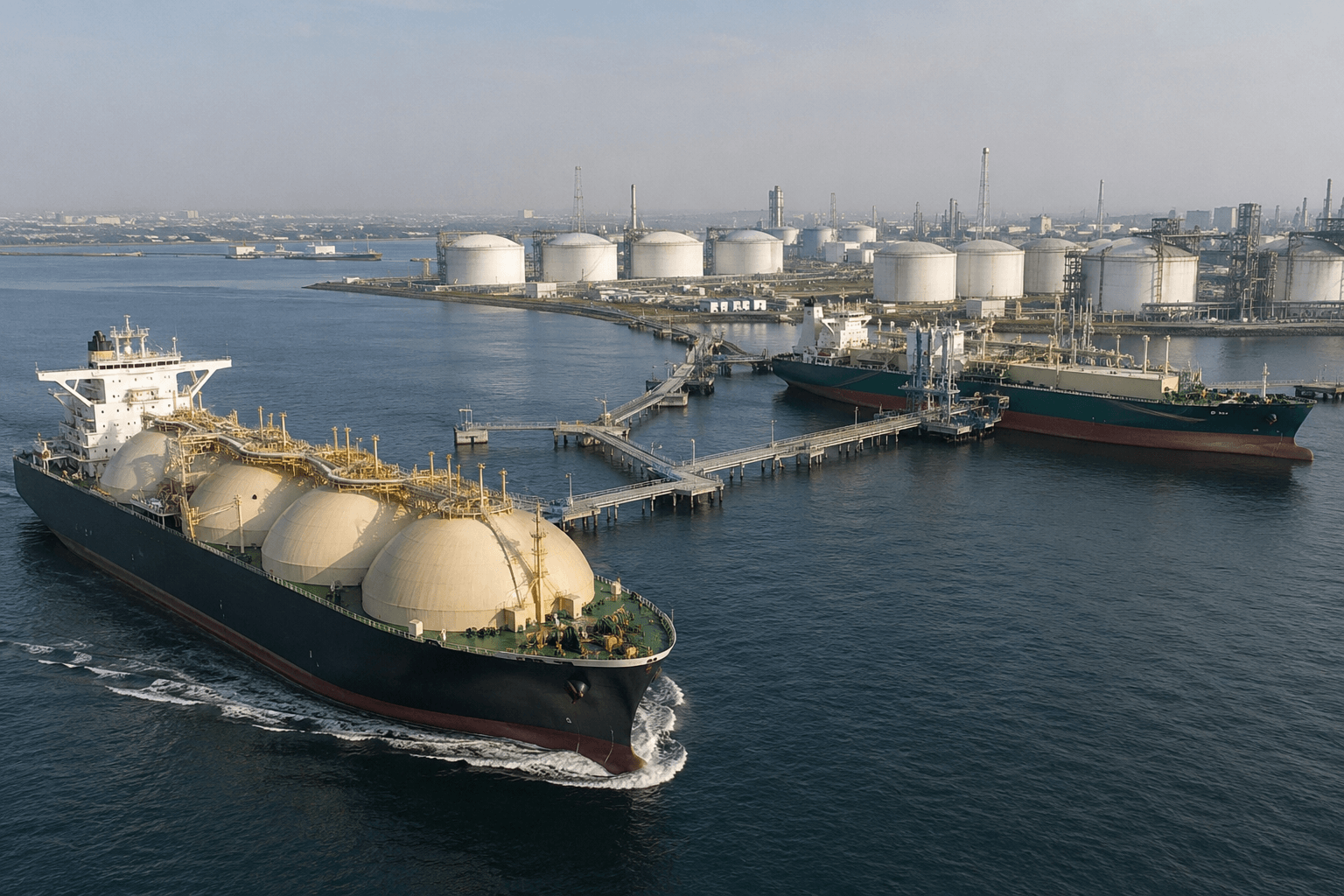
Higher energy prices were the primary factor behind the rise. Increased costs for oil and natural gas have affected transportation, manufacturing, logistics, and household energy bills across Europe, contributing to broader price pressures.
The latest inflation readings follow a period in which Eurozone inflation had moved closer to the ECB’s target. As a result, investors had increasingly expected a gradual easing of monetary policy. The new figures have prompted renewed discussion about how quickly inflation can return to target levels.
Economists continue to monitor core inflation, which excludes food and energy prices, to assess whether underlying inflation pressures are becoming more widespread.
Why the Latest Eurozone Inflation Data Matters
Inflation influences consumer purchasing power, business costs, and borrowing conditions throughout the Eurozone. Persistent price growth can also affect decisions on interest rates, which have implications for mortgages, lending, investment, and economic activity.
The latest data highlights the continued influence of energy markets on the region’s inflation outlook and suggests that the path back to stable inflation may remain uneven.
Conclusion
The rise in Eurozone inflation across France, Italy, and Spain underscores the impact of higher energy prices on Europe’s economy. While inflation remains below the peaks seen during previous energy shocks, the latest figures are likely to remain a key focus for policymakers, investors, and businesses in the weeks ahead.