For weeks, the future of the Strait of Hormuz has been defined by a difficult question: how can commercial shipping return to normal without either sidelining Iran or allowing it to control one of the world’s most important maritime chokepoints?
Oman now believes it has a possible answer.
According to Reuters, Oman has presented Iran with a Gulf-backed proposal that would establish a regional mechanism for managing the Strait of Hormuz. Under the plan, ships using the waterway would make voluntary contributions to support navigation, maritime safety and environmental protection instead of paying mandatory transit fees to Iran. The proposal has the backing of Gulf Arab states and has been discussed among the foreign ministers of Oman, Iran and Saudi Arabia as part of broader efforts to stabilize the region after months of conflict. The United States has been informed of the proposal through Omani diplomatic channels but is not directly negotiating it.
The proposal remains under discussion, and no agreement has yet been reached.
Why the Strait of Hormuz Has Become the Focus
The Strait of Hormuz is one of the world’s most strategically important waterways.
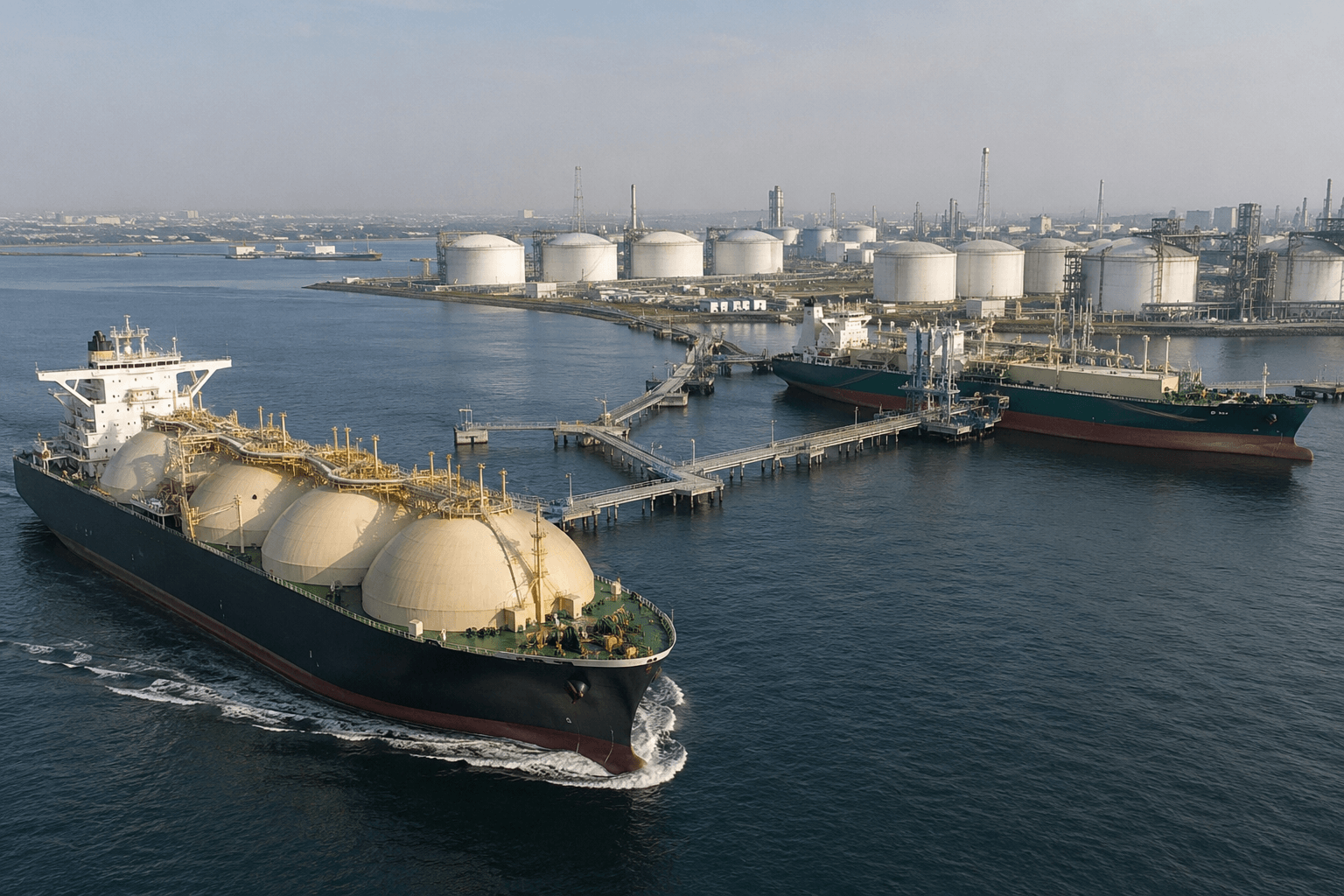
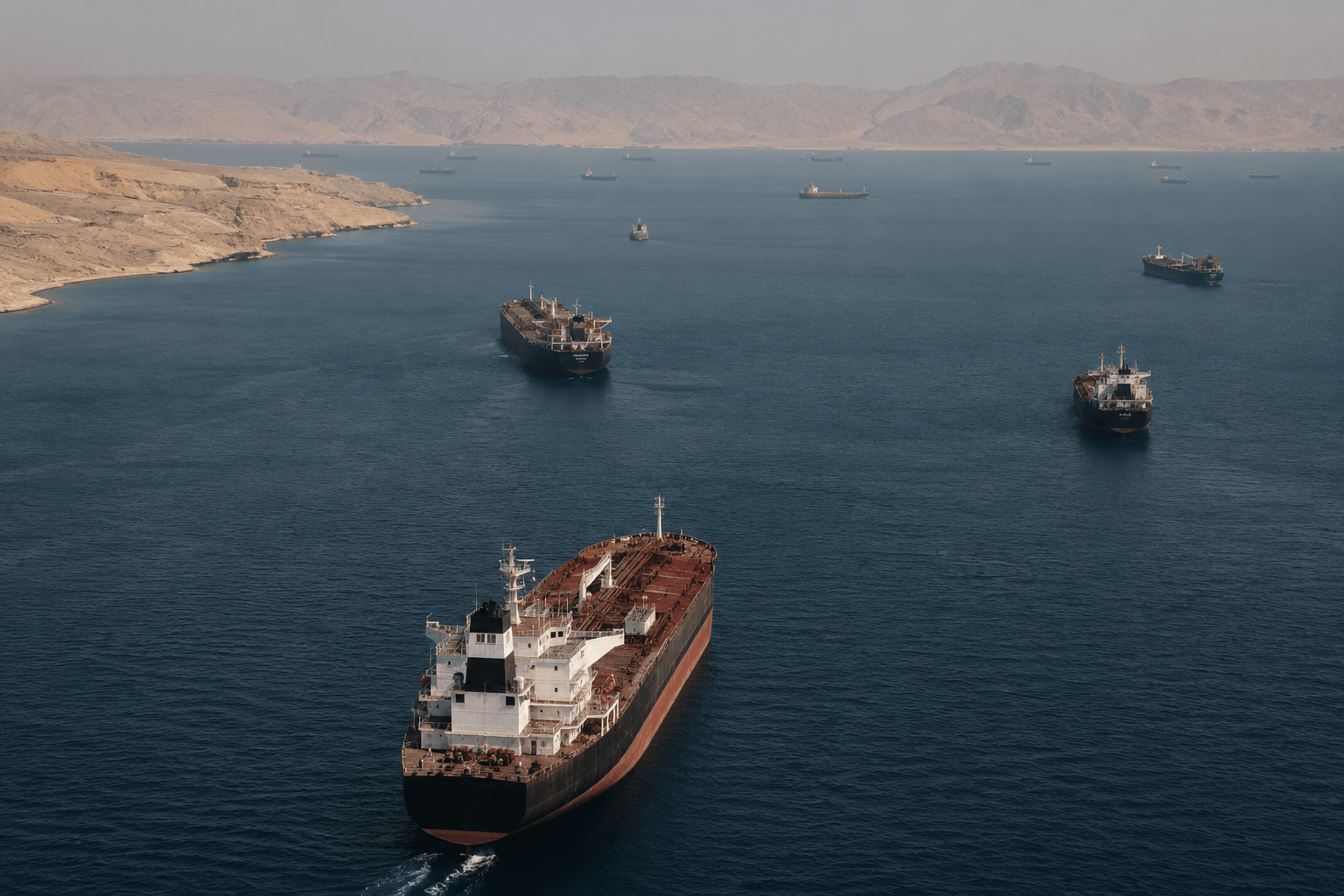
Connecting the Persian Gulf to the Gulf of Oman and the Arabian Sea, it serves as the only maritime outlet for major Gulf oil and natural gas exporters, including Saudi Arabia, Iraq, Kuwait, Qatar and much of the United Arab Emirates. Before the recent conflict, roughly one-fifth of global oil and liquefied natural gas trade passed through the narrow passage.
That importance has made Hormuz central to the recent confrontation between Iran, the United States and Israel.
The conflict disrupted commercial shipping, increased insurance costs for tankers and renewed concerns about the security of global energy supplies. As military tensions eased, attention shifted from the battlefield to the question of how shipping through the strait could be restored.
The Compromise Oman Is Proposing
The proposal attempts to bridge two positions that have so far appeared difficult to reconcile.
Iran has argued that the previous arrangement—under which international shipping passed freely through the strait without recognizing a larger Iranian role—cannot simply be restored after the conflict. Tehran has sought greater participation in managing the waterway and has at times suggested that ships using the strait should pay for doing so.
The United States, meanwhile, has maintained that the Strait of Hormuz is an international waterway where freedom of navigation cannot depend on payments to any single country. Mandatory transit fees, Washington argues, would undermine that principle.
Oman’s proposal seeks a middle ground.
Instead of compulsory tolls, ships would make voluntary contributions that would fund services such as navigation assistance, search and rescue operations, emergency response and environmental protection. Iran would participate in a broader regional management framework rather than exercising exclusive authority over the strait.
The proposal reportedly draws inspiration from the Strait of Malacca, where shipping companies voluntarily contribute to maintaining one of the world’s busiest maritime routes without paying mandatory transit charges.
Why Gulf States Are Supporting the Proposal
For many Gulf Arab states, restoring confidence in the Strait of Hormuz has become an economic priority.
Prolonged disruptions have affected shipping, increased transportation costs and created uncertainty in global energy markets. While Gulf countries have often disagreed with Iran over regional security, they also share an interest in ensuring that oil and gas exports can move reliably through the waterway.
Supporting a regional mechanism offers a potential path toward reducing tensions without recognizing unilateral Iranian control over the strait.
Oman’s role reflects its long-standing position as one of the few countries in the region able to maintain working relationships with both Iran and the United States. Over the years, Muscat has frequently acted as an intermediary during periods of heightened regional tensions.
What the Proposal Does—and Does Not—Mean
The proposal does not give Iran control over the Strait of Hormuz, nor does it establish a new system of mandatory payments for commercial shipping.
It is also not a final agreement.
Iran has yet to formally accept the proposal, and negotiations remain ongoing. Any eventual arrangement would require agreement among multiple regional stakeholders while remaining acceptable to international shipping companies that rely on uninterrupted access to the waterway.
For now, the proposal represents an attempt to move the discussion away from competing demands over sovereignty and toward a practical framework for restoring confidence in one of the world’s most important trade routes.
The immediate significance of the proposal lies in its effort to restart normal commercial activity through the Strait of Hormuz. More broadly, it reflects how diplomacy is beginning to replace military confrontation as regional governments search for a sustainable framework to manage a waterway that remains essential to global energy trade.