Introduction
The European Parliament has approved legislation required to implement the EU-US trade deal, marking a significant step in efforts to stabilize transatlantic trade relations.
Lawmakers voted 440 to 151 in favor of the measure on June 16, 2026, clearing one of the final political hurdles for an agreement first reached between EU and U.S. officials in July 2025. The vote comes ahead of a July 4 implementation deadline linked to U.S. tariff commitments and reduces the immediate risk of a renewed trade dispute.
What the EU-US Trade Deal Includes
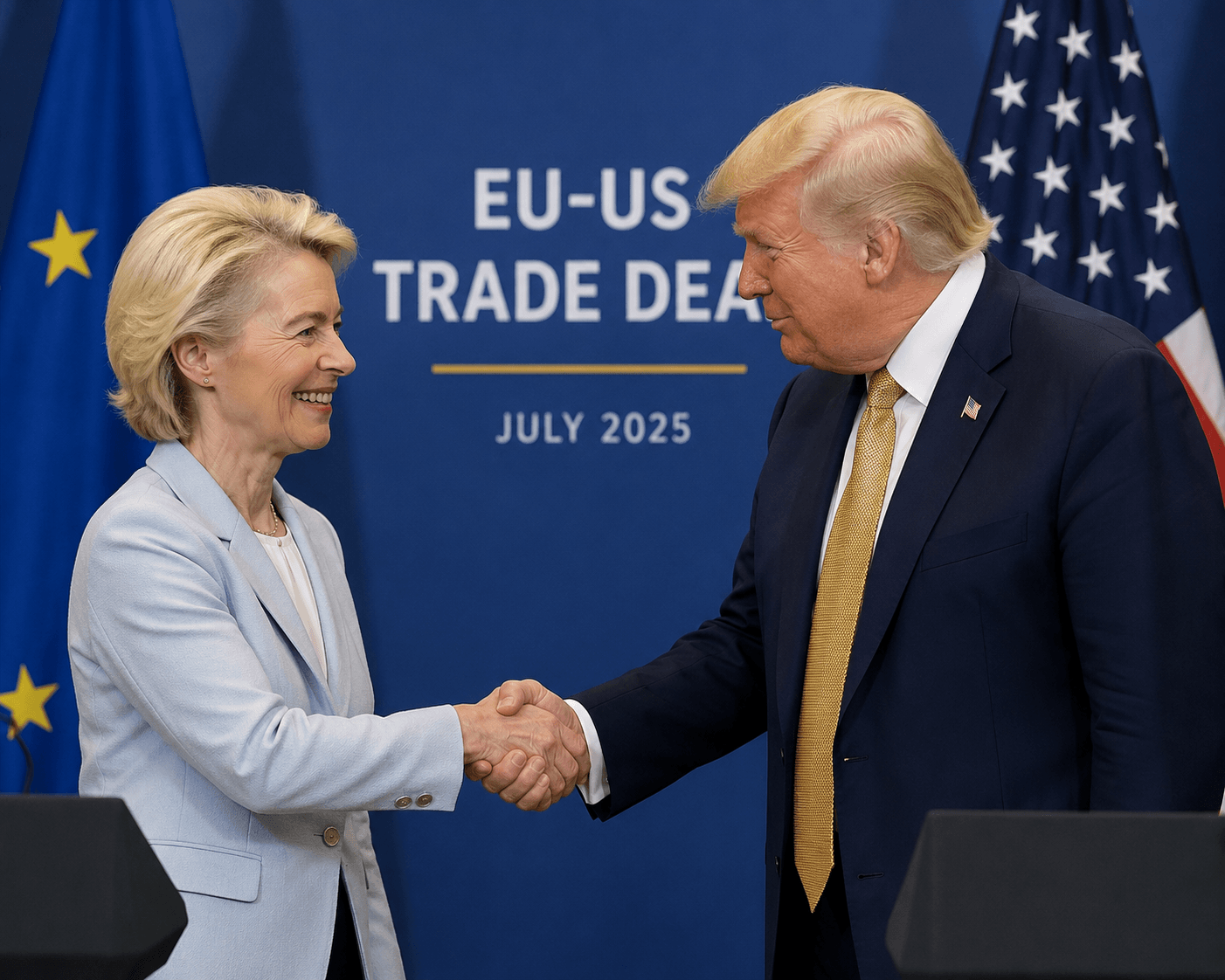
The agreement emerged from negotiations concluded in July 2025 between the European Commission and the administration of U.S. President Donald Trump. It aims to ease trade tensions, improve market access, and provide greater certainty for businesses operating across both economies.
Under the deal, the European Union agreed to reduce or eliminate tariffs on various U.S. industrial products, expand access for selected American agricultural exports, extend duty-free treatment for U.S. lobster imports, and address certain non-tariff trade barriers.
In return, the United States agreed to cap tariffs on many European exports at 15%, avoiding higher duties that had previously been under consideration. Both sides also committed to continuing discussions on broader trade issues.
Tariffs and Remaining Trade Challenges
While the agreement lowers the risk of further escalation, it does not remove all trade barriers.
Several U.S. tariffs affecting European industries remain in place. In the automotive sector, tariffs of around 15% continue to apply to passenger vehicles and auto parts, while commercial trucks remain subject to 25% duties. Some bus exports can face combined duties of up to 35%.
To secure support within Parliament, lawmakers added safeguards allowing the European Union to suspend benefits if the United States fails to meet its commitments. The legislation also enables the EU to reintroduce countermeasures when necessary.
A sunset clause included in the agreement means the arrangement is scheduled to expire in 2029 unless both sides agree to extend it.
Opposition and Outstanding Issues
Although the legislation passed comfortably, some lawmakers argued that the agreement remains unbalanced because significant U.S. tariffs on European goods remain in force.
Critics also pointed to unresolved disputes involving steel, aluminum, digital taxation, environmental regulations, and industrial policy. Negotiations on these issues are expected to continue.
Why the Vote Matters
The European Union and the United States maintain one of the world’s largest economic partnerships. Trade in goods and services between the two economies was worth approximately €1.6 trillion in 2024.
Supporters say the approval provides greater certainty for businesses, manufacturers, exporters, and investors that rely on transatlantic trade. It also reduces the likelihood of a broader tariff conflict that could affect key sectors on both sides of the Atlantic.
Conclusion
The European Parliament’s approval of the EU-US trade deal legislation marks an important step toward implementing the agreement and maintaining stability in a major global trading relationship.
While significant tariffs and trade disputes remain unresolved, the vote helps avoid immediate tensions ahead of a key July deadline and establishes a framework for continued negotiations. With a review mechanism and a planned 2029 expiration date, the agreement is intended to provide stability while both sides work through longer-term trade challenges.