For years, China has pursued a difficult financial objective: opening its capital markets to global investors without giving up control over the movement of money across its borders.
Hong Kong has been central to that strategy.
Now, Beijing is taking another step in that direction.
China’s securities regulator has announced a new package of measures to expand yuan-denominated investment products in Hong Kong, deepen financial cooperation between the mainland and the city, and make it easier for investors and financial professionals to operate across the two markets.
The measures include launching more exchange-traded funds (ETFs) linked to Chinese assets, supporting additional yuan-denominated futures contracts in Hong Kong, and studying broader mutual recognition of professional qualifications for futures-market professionals. The announcement was made by Wu Qing, chairman of the China Securities Regulatory Commission (CSRC), during Hong Kong’s Bond Connect Anniversary Summit.
Hong Kong’s Role in China’s Financial Strategy
To understand why this announcement matters, it is important to understand Hong Kong’s unique position.
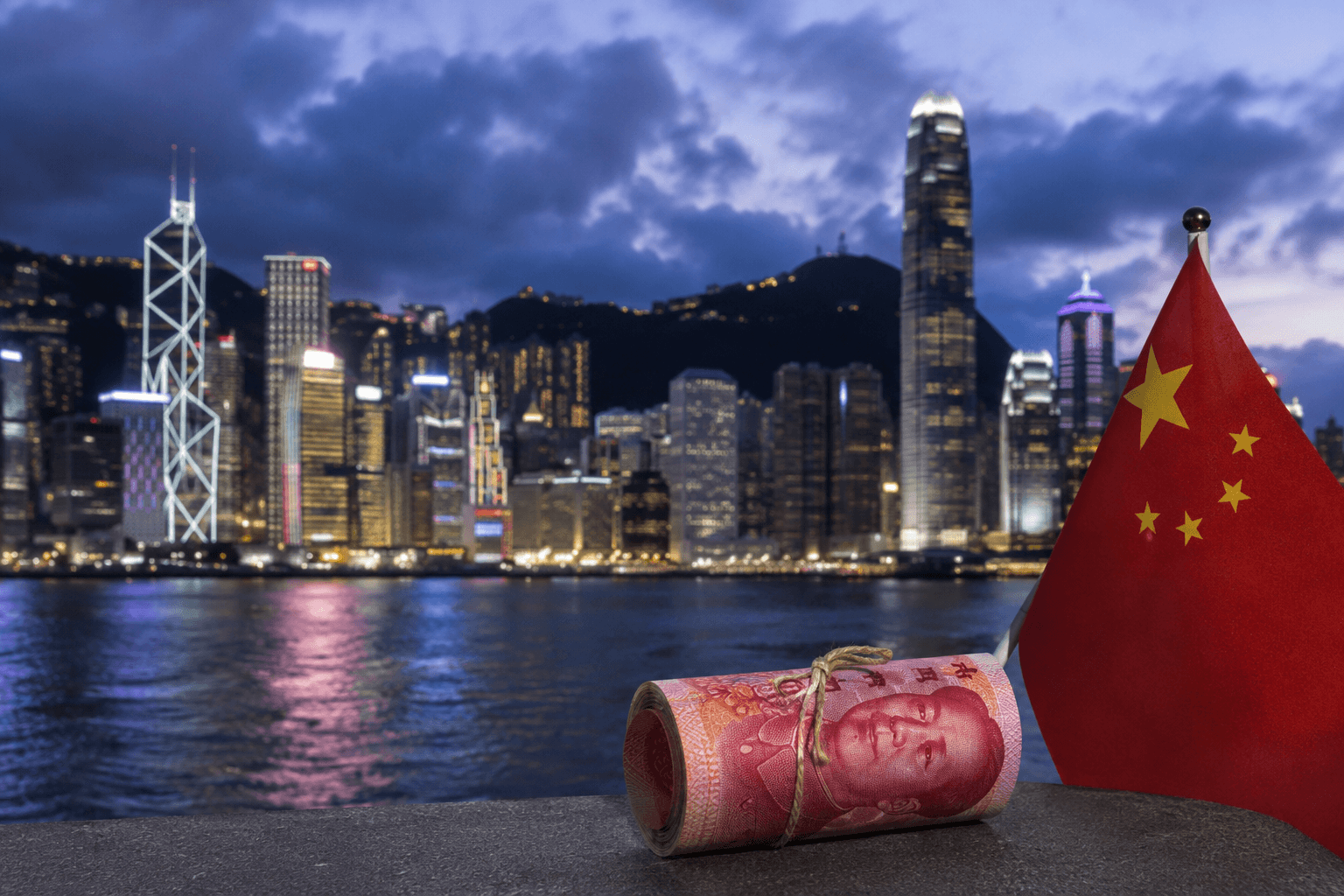
Although Hong Kong is part of China, it operates under a separate legal and financial system. It has its own stock exchange, financial regulators, freely convertible currency and internationally connected capital markets. At the same time, it provides global investors with access to Chinese assets that would otherwise be more difficult to reach because mainland China maintains capital controls.
For Beijing, Hong Kong has long served as the primary bridge between China’s domestic financial markets and international investors. Many of China’s cross-border investment programmes—including Stock Connect and Bond Connect—have been built around this role.
The latest measures are intended to strengthen that bridge rather than replace it.
Expanding Investment Products
One part of the package focuses on expanding the range of investment products available through Hong Kong.
The CSRC said mainland China and Hong Kong will introduce more exchange-traded funds (ETFs) tracking Chinese assets.
An ETF is an investment fund that trades on a stock exchange and typically tracks a basket of securities, such as a stock index or a group of companies. Instead of purchasing multiple individual shares, investors can gain diversified exposure through a single product.
Increasing the number of China-focused ETFs makes it easier for both institutional and retail investors to invest in Chinese markets while trading through Hong Kong’s established financial infrastructure.
Building a Larger Offshore Yuan Market
The announcement also includes plans to support more yuan-denominated futures contracts in Hong Kong.
Futures contracts allow market participants to agree today on the price of an asset that will be bought or sold at a future date. They are widely used by investors and companies to manage risk or take positions on future price movements.
Today, many international financial contracts are priced in U.S. dollars. Expanding the availability of yuan-denominated futures gives investors more opportunities to trade, hedge and manage investments directly in China’s currency.
On its own, adding a few new contracts may appear incremental. But each additional yuan-based financial instrument contributes to building a deeper offshore market where the renminbi can be used more widely outside mainland China.
Integrating Financial Markets More Closely
The measures extend beyond new investment products.
Wu Qing also said regulators are studying broader mutual recognition of professional qualifications for futures-market professionals.
At present, financial professionals operating in mainland China and Hong Kong often face separate licensing requirements. A broader recognition framework would make it easier for qualified professionals to work across both markets.
While less visible than launching new ETFs or futures products, regulatory integration is an important part of creating a more connected financial system. Markets become easier to operate when capital, products and professional expertise can move more efficiently between jurisdictions.
The Bigger Objective: Internationalising the Yuan
The announcement reflects a strategy that China has pursued for more than a decade.
Despite being the world’s second-largest economy, China remains far less influential in global finance than the size of its economy might suggest. The U.S. dollar continues to dominate international trade, cross-border investment, foreign-exchange reserves and global financial markets.
China has responded by gradually expanding the international use of the renminbi through trade settlement, offshore bond markets, cross-border payment systems and investment programmes linked to Hong Kong.
The latest measures follow that same path. Rather than attempting to challenge the dollar directly, Beijing is expanding the financial infrastructure that allows investors to hold, trade and hedge assets in yuan.
Each additional ETF, futures contract or market connection makes the offshore yuan ecosystem more comprehensive and potentially more attractive to international investors.
Why This Matters
The announcement is not about a handful of new financial products.
It is about strengthening the institutions that support China’s long-term financial strategy.
Hong Kong remains the country’s most important gateway for international capital, and Beijing continues to invest in that role despite geopolitical tensions and growing competition among global financial centres.
Expanding yuan-denominated investment products, improving cross-border market access and reducing regulatory barriers all serve the same objective: making it easier for global investors to participate in Chinese financial markets without requiring China to fully liberalise its capital account.
The measures announced this week will not transform global finance overnight.
But they represent another step in a long-term strategy that has been unfolding for years.
China is steadily building the market infrastructure needed to deepen Hong Kong’s position as the world’s leading offshore yuan financial centre while gradually expanding the international role of its currency.