QatarEnergy Bought U.S. LNG Cargoes After Hormuz Disruption
For decades, Qatar has been one of the world’s largest exporters of liquefied natural gas (LNG), supplying millions of tonnes of fuel each year to customers across Asia and Europe. Its role in the global gas market has typically been straightforward: produce LNG at home and ship it overseas through the Strait of Hormuz.
This year, that model was temporarily turned upside down.
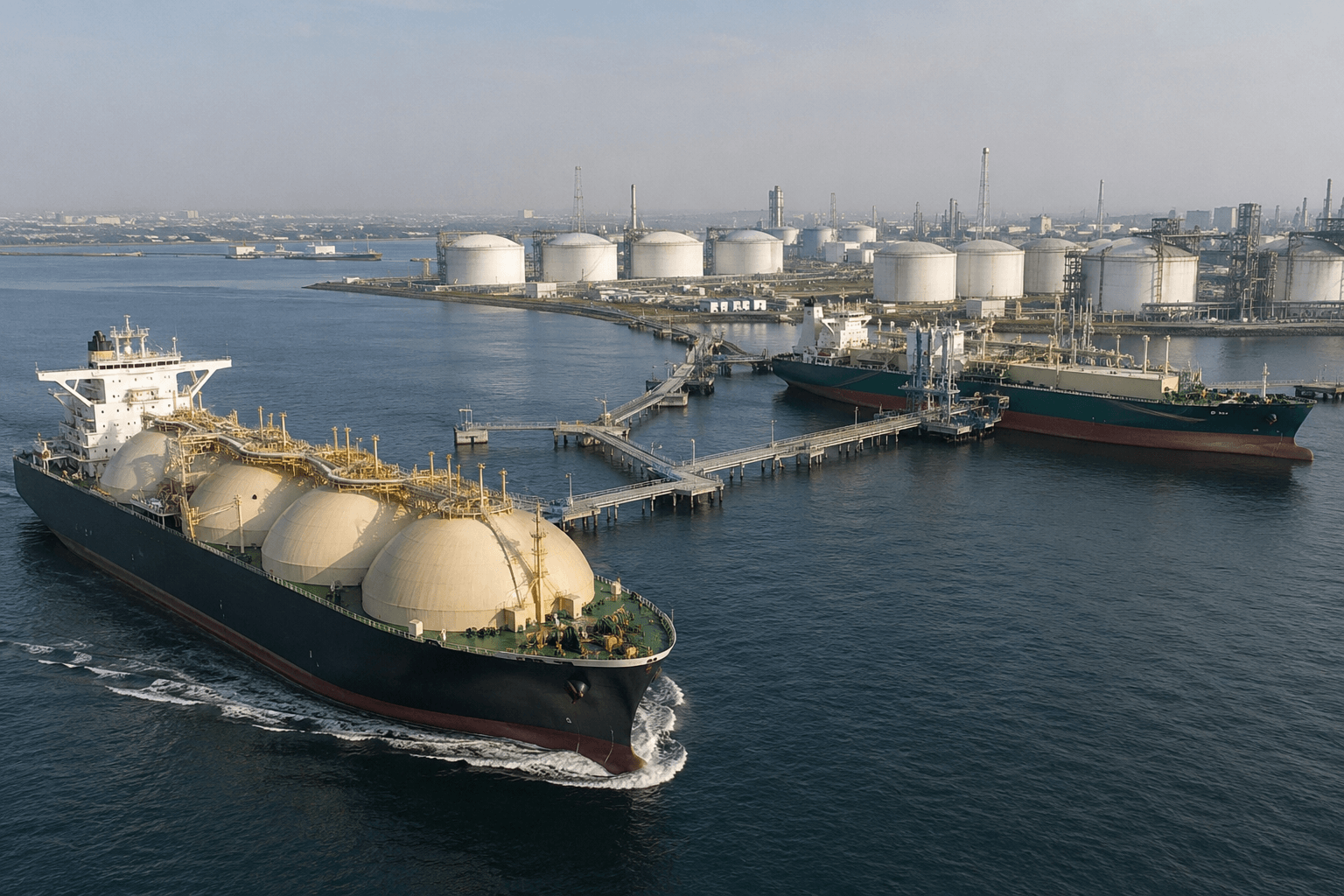
After the Strait of Hormuz was disrupted during the Iran war, QatarEnergy quietly entered the international spot market and purchased 33 LNG cargoes from the United States to continue supplying long-term customers in Asia. Rather than exporting its own gas, one of the world’s largest LNG exporters became a significant buyer of LNG to fulfill contractual commitments. The purchases, valued at roughly $1 billion, underscore how geopolitical disruptions can rapidly reshape global energy trade.
A Temporary Shift in Global LNG Trade
According to Reuters, QatarEnergy purchased 33 spot LNG cargoes from the United States during 2026 after export disruptions prevented its own LNG shipments from leaving the Gulf. Of those cargoes, 28 had already been delivered, while five were still en route when the report was published. The replacement supplies were delivered to long-term customers in India, Japan, South Korea, Taiwan, and Bangladesh.
The purchases represented a dramatic increase from the previous year, when QatarEnergy reportedly bought only four U.S. LNG cargoes. Most of this year’s replacement supplies came from Venture Global LNG and customers holding contractual rights to U.S. LNG cargoes.
Why Qatar Needed Replacement LNG
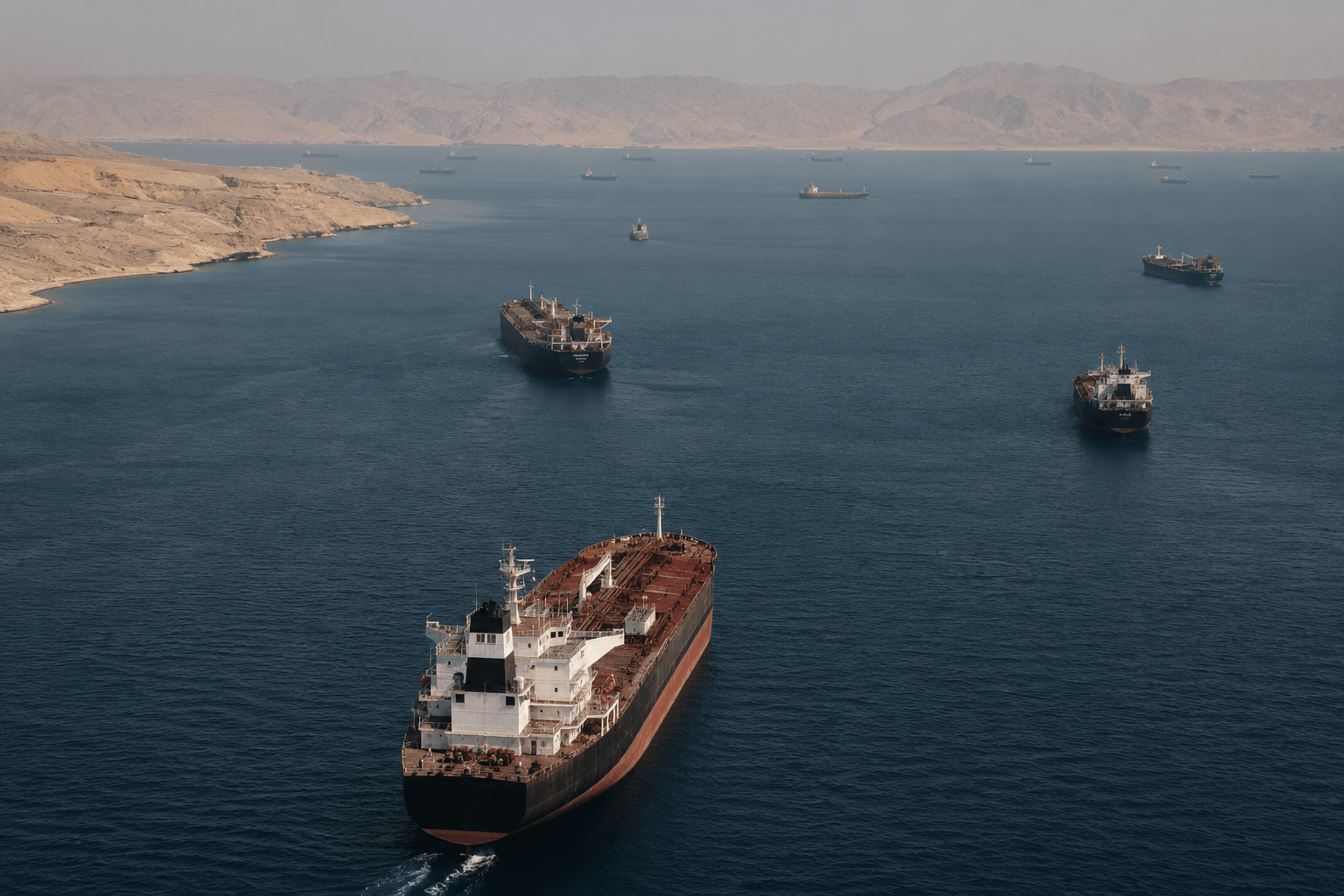
The disruption stemmed from the closure of the Strait of Hormuz, the narrow waterway through which nearly all of Qatar’s LNG exports normally pass.
Although Qatar continued producing natural gas, the inability to move LNG carriers safely through the strait forced QatarEnergy to declare force majeure on some contractual deliveries earlier in the crisis. Rather than allowing customers to face prolonged supply shortages, the company purchased LNG from U.S. exporters and redirected those cargoes to its buyers.
This was an operational response to a logistical problem rather than a shortage of gas. Qatar had the production capacity; what it temporarily lacked was a secure export route.
Reliability Became the Priority
LNG trade differs from many commodity markets because much of it is governed by long-term contracts that often span decades.
Utilities and industrial customers depend on scheduled deliveries to fuel power stations and factories. Missing cargoes can disrupt electricity generation, increase procurement costs, and damage commercial relationships.
Reuters reported that industry sources viewed QatarEnergy’s purchases as a gesture of good faith toward key Asian customers. By sourcing replacement cargoes instead of simply cancelling deliveries, the company sought to preserve its reputation as a reliable supplier despite circumstances beyond its control.
Why the United States Filled the Gap
The episode also highlights the changing role of the United States in global LNG markets.
Over the past decade, the U.S. has expanded its LNG export capacity through multiple Gulf Coast export terminals, becoming one of the world’s largest LNG suppliers. That scale and flexibility allowed U.S. cargoes to be redirected quickly when Middle Eastern exports were interrupted.
Rather than replacing Qatar as an LNG producer, U.S. exporters temporarily acted as an alternative supply source while one of the world’s largest exporters faced shipping constraints.
A Reminder of Hormuz’s Strategic Importance
The Strait of Hormuz remains one of the world’s most important maritime chokepoints, handling roughly one-fifth of global oil and LNG trade under normal conditions.
The disruption demonstrated that even countries with abundant energy resources remain vulnerable if critical shipping routes become inaccessible. In Qatar’s case, the constraint was not production but transportation.
Reuters separately reported that a QatarEnergy-controlled LNG tanker, Al Areesh, became the first company-controlled vessel to transit out of the Strait of Hormuz in nearly three weeks, suggesting that LNG shipments are beginning to resume cautiously as security conditions improve.
What This Does—and Does Not—Mean
The purchases do not indicate that Qatar has become dependent on U.S. LNG or that its production capacity has weakened.
Nor do they suggest that the United States has permanently displaced Qatar in Asian LNG markets.
Instead, they illustrate how global energy companies respond when geopolitical events interrupt normal trade routes. Faced with an extraordinary logistical disruption, QatarEnergy chose to absorb additional costs and source replacement cargoes rather than risk failing to meet long-term customer commitments.
Why It Matters
The most significant aspect of this development is not the purchase of 33 LNG cargoes.
It is what those purchases reveal about the modern energy system.
Global energy security depends not only on producing oil and gas but also on maintaining secure transport routes and flexible supply networks. When a strategic chokepoint such as the Strait of Hormuz is disrupted, resilience increasingly comes from the ability to redirect cargoes, draw on alternative suppliers, and preserve commercial relationships across continents.
QatarEnergy’s decision to buy U.S. LNG demonstrates that in today’s interconnected energy market, reliability is becoming just as strategically important as production capacity.