Introduction
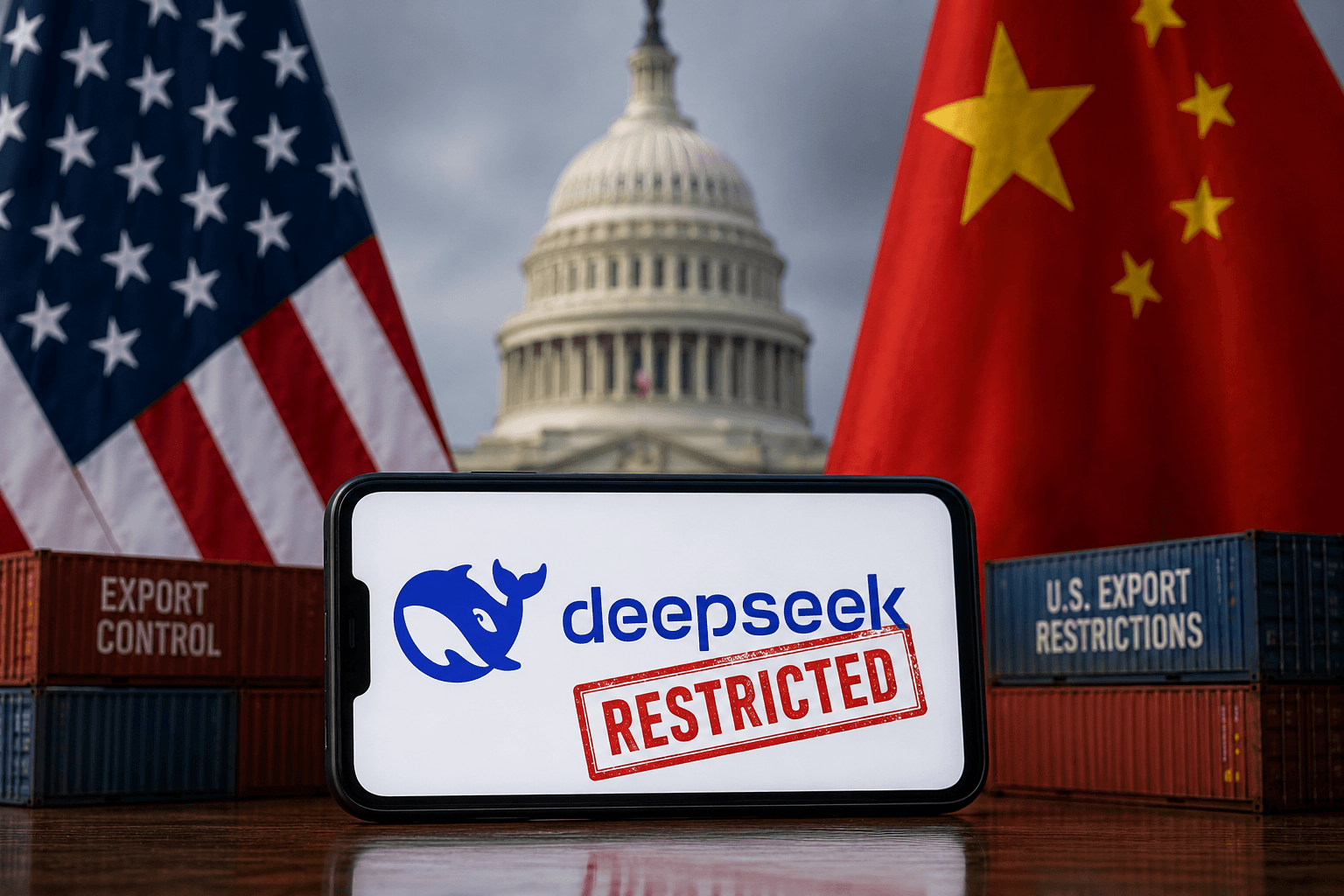
The United States has postponed plans to add Chinese artificial intelligence company DeepSeek and more than 100 other Chinese firms to the Commerce Department’s Entity List, according to a Reuters report published on June 17, 2026.
The move comes despite reports that an interagency committee had already approved the companies for inclusion on the U.S. trade blacklist. The delay highlights the administration’s effort to balance national security concerns with broader diplomatic and economic considerations in its relationship with China.
What Happened?
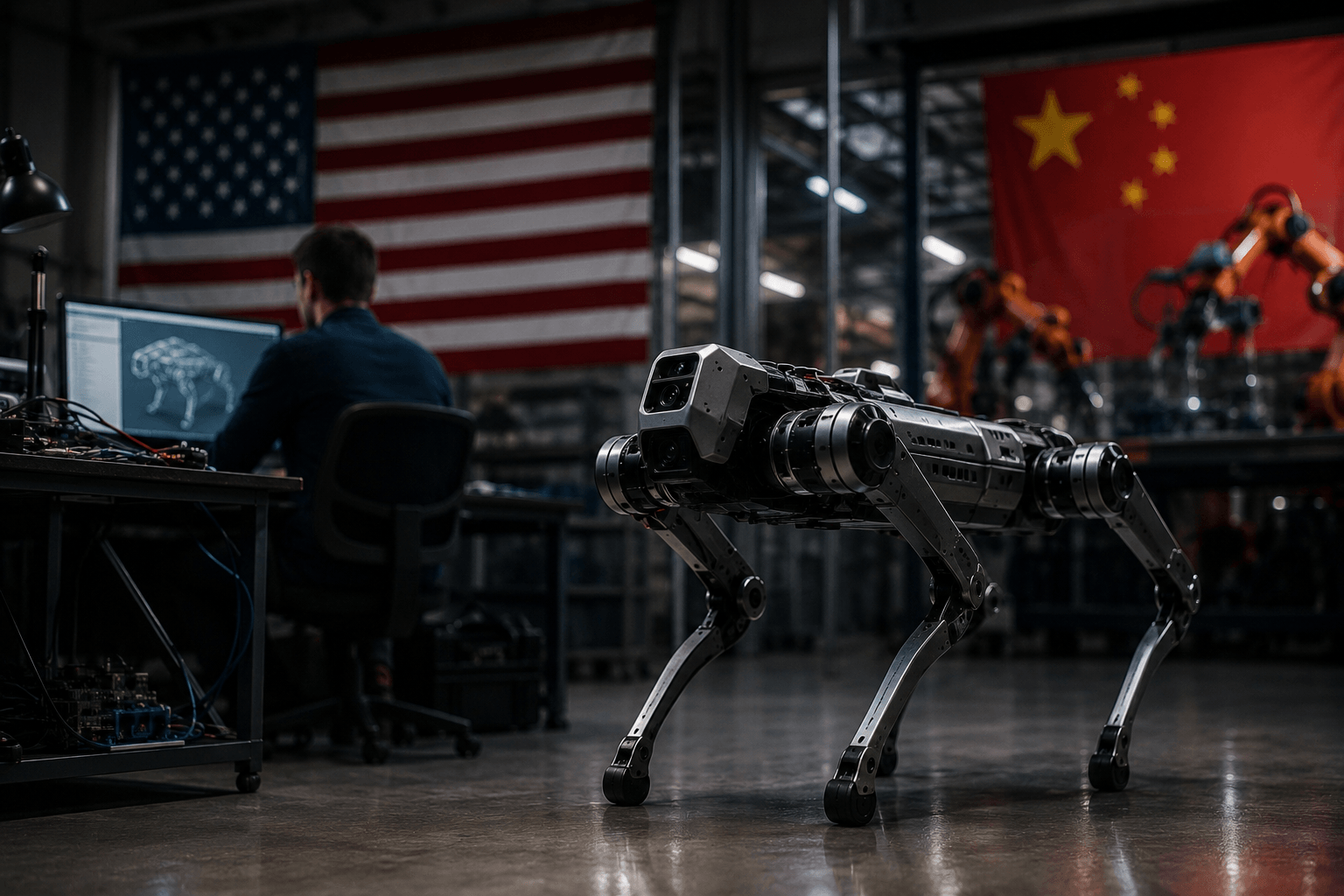
According to Reuters, the companies under consideration operate across several strategic sectors, including artificial intelligence, semiconductors, drones, robotics, and other advanced technologies.
Among the most prominent firms is DeepSeek, the Chinese AI company that gained international attention after releasing competitive AI models at significantly lower development costs than many Western rivals. Also reportedly included is ChangXin Memory Technologies (CXMT), one of China’s leading memory-chip manufacturers.
The U.S. Entity List restricts the ability of listed organizations to obtain American technology, software, and other controlled exports without government approval. Inclusion can significantly limit access to advanced semiconductor components, manufacturing equipment, and related technologies.
Reuters reported that the companies had already been approved for listing through an internal government process. However, the restrictions have not yet been formally published or implemented.
Key Developments and Context
The reported delay appears to be linked to broader U.S.-China diplomatic and trade considerations. Sources cited by Reuters said officials are seeking to avoid actions that could complicate ongoing discussions between Washington and Beijing.
The report also noted that the Commerce Department has not announced a major Entity List expansion since October 2025, marking an unusually long gap between blacklist updates.
U.S. officials have previously raised concerns about DeepSeek’s activities, including allegations related to access to advanced U.S. technology and potential connections to Chinese state interests.
Chinese officials, meanwhile, have consistently opposed U.S. export controls and sanctions targeting Chinese companies, arguing that such measures unfairly restrict trade and competition.
Why It Matters
The development is significant because it affects some of China’s most important technology companies at a time when artificial intelligence and semiconductor capabilities have become key areas of competition between the United States and China.
For the companies involved, the delay means they avoid immediate new export restrictions and maintain access to parts of the global technology supply chain for now.
For policymakers, the decision reflects the continuing challenge of balancing national security priorities with economic and diplomatic objectives.
Conclusion
The United States has reportedly paused plans to blacklist DeepSeek and more than 100 Chinese technology firms despite prior approval for the move. While no final decision has been announced, the delay suggests that broader diplomatic and trade considerations are influencing the timing of new export-control measures. For now, the proposed restrictions remain on hold, though future action remains possible.