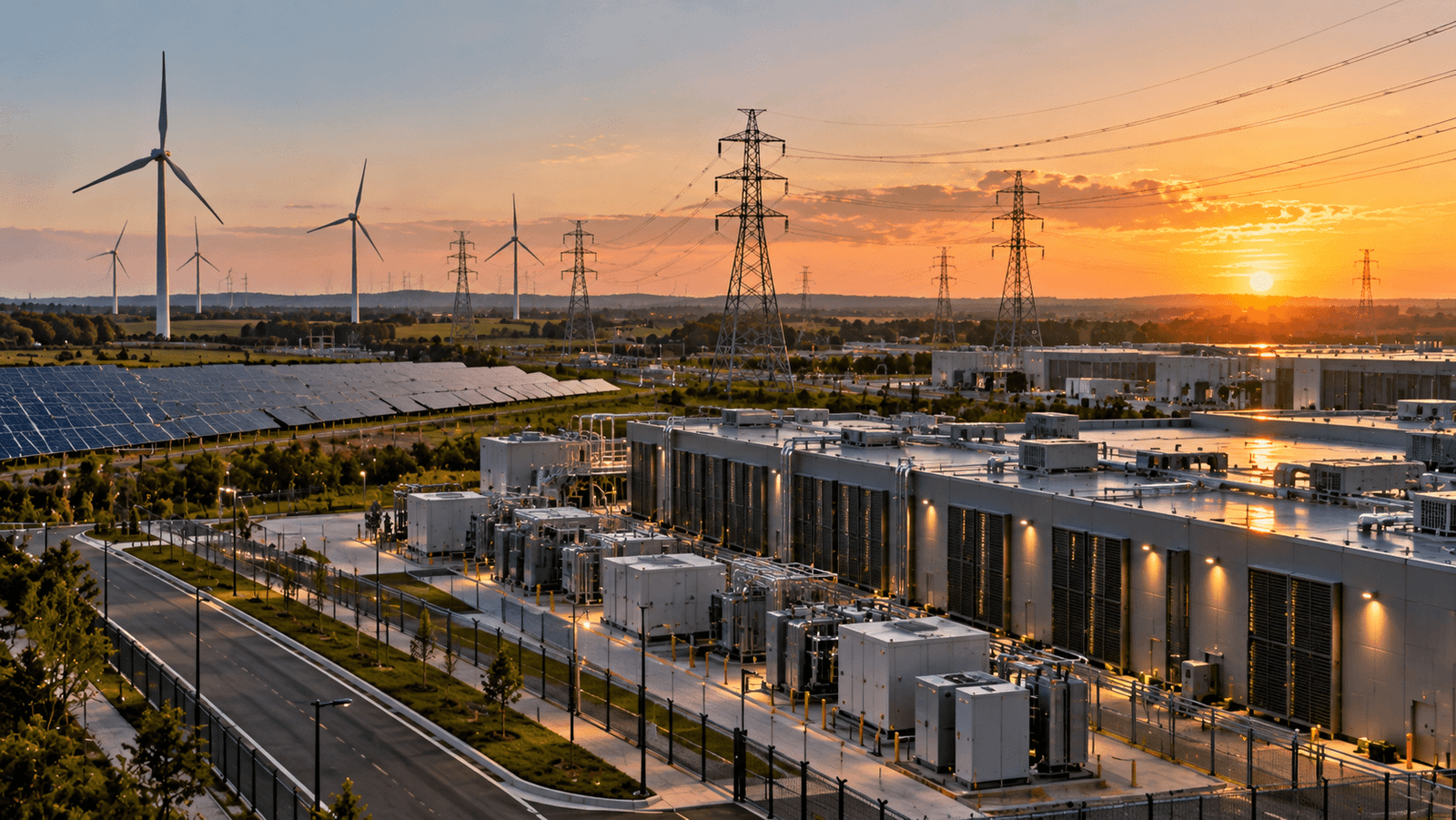
A bipartisan group of U.S. senators has reached an agreement aimed at speeding up the permitting and construction of major energy, electricity transmission and infrastructure projects, including infrastructure needed to support the country’s growing artificial intelligence industry.
The agreement, announced by Senators Mike Lee, Shelley Moore Capito, Martin Heinrich and Sheldon Whitehouse, seeks to reduce delays in the federal permitting process while establishing new rules for how rapidly expanding electricity demand is handled.
Agreement targets energy and transmission permitting
A central part of the proposal is reforming the permitting process for large energy and transmission projects. The legislation would expand federal authority over certain interstate transmission projects and establish clearer timelines for environmental reviews.
Under the proposal, environmental impact statements would generally have to be completed within two years, while environmental assessments would have a one-year deadline. The agreement also includes provisions intended to provide greater certainty for projects after permits have been issued.
Supporters say the changes could make it easier to build the transmission infrastructure needed to connect new power generation and move electricity between regions.
Data centers and AI infrastructure included
The agreement also addresses the rapidly increasing electricity demand associated with artificial intelligence and data centers.
One of its key provisions would require data centers to cover the transmission costs associated with serving their electricity demand. The measure is intended to prevent those infrastructure costs from being shifted broadly onto other electricity customers.
The issue has become increasingly important as technology companies and data-center developers build large facilities that can require substantial amounts of electricity and new grid infrastructure.
Changes to legal challenges
The proposal would also establish tighter timelines for certain legal challenges to federal permitting decisions. It would generally limit participation in some permitting lawsuits to parties that were involved in the relevant administrative review process.
The legislation is designed to give infrastructure developers greater certainty while retaining environmental and regulatory review requirements.
What happens next?
The agreement is not yet federal law. The legislation still needs to move through Congress and could be amended before any final vote.
Senators involved in the negotiations are expected to seek consideration of the measure following the November 2026 midterm elections.
If enacted, the proposal could affect how the United States permits and builds energy infrastructure at a time when electricity demand is rising because of data centers, artificial intelligence, manufacturing and broader electrification.
For now, the agreement represents a bipartisan attempt to address two closely connected challenges: accelerating infrastructure construction and determining how the costs of expanding the electric grid should be allocated.