The global artificial intelligence race has entered a new phase as OpenAI and Google push forward with increasingly advanced multimodal AI systems. These next-generation models are capable of processing and generating text, images, video, and even complex reasoning tasks, marking a significant leap beyond traditional chatbots.
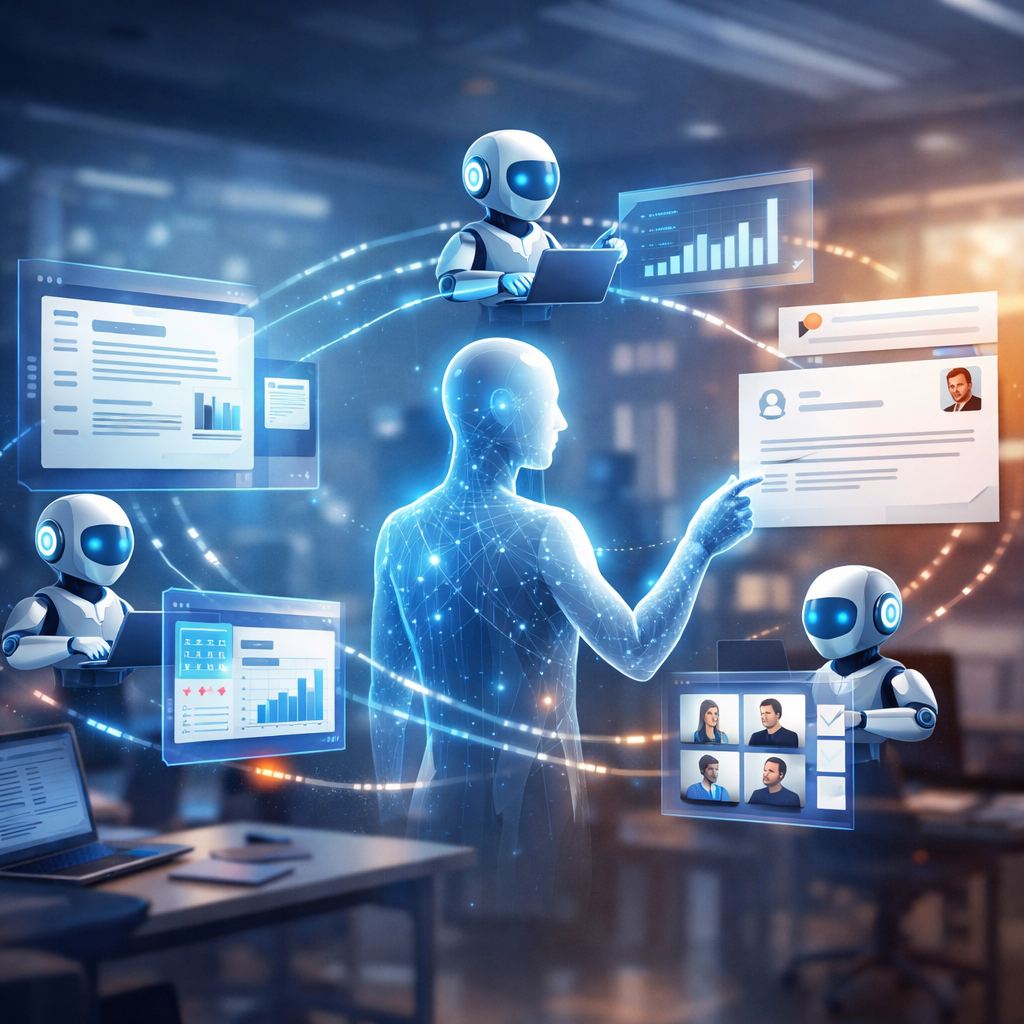
A key shift in the industry is the emergence of “AI agents”—systems designed to perform autonomous actions such as writing code, conducting research, managing schedules, and interacting with digital environments. This evolution signals a move from reactive AI tools to proactive digital assistants.
At the same time, governments are responding with regulatory frameworks. The European Union has taken the lead with its AI Act, aiming to enforce transparency, safety, and accountability in AI deployment. Other countries are expected to follow with similar policies.
Experts believe this moment could define the future of work and productivity, with AI potentially augmenting or replacing tasks across industries. However, concerns around misuse, bias, and job displacement remain central to the conversation as innovation accelerates.