India has recently reached a significant milestone in its nuclear energy program by achieving criticality in the second stage of nuclear power generation. This development marks a major step forward in the country’s long-term strategy for sustainable and energy-independent growth.
What Does “Criticality” Mean in Nuclear Power?
In nuclear science, “criticality” refers to the point at which a nuclear reactor sustains a stable chain reaction. This means the reactor can operate continuously, producing energy efficiently without external intervention.
Achieving criticality is a crucial phase in reactor development, as it confirms that the system is functioning as designed and is ready for further testing and power generation.
Understanding India’s Three-Stage Nuclear Program
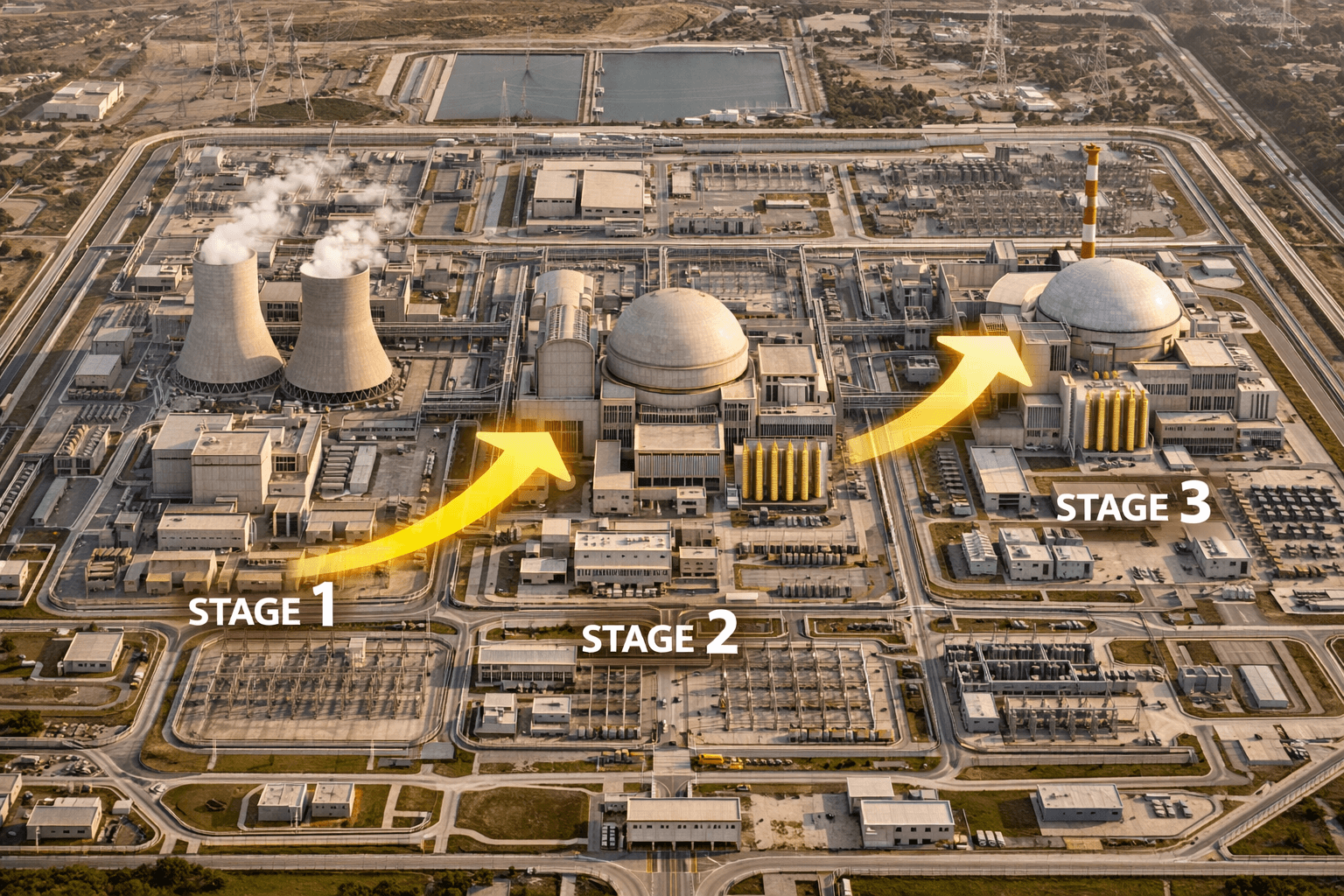
India’s nuclear energy strategy is built around a unique three-stage program designed to maximize the use of its available resources.
Stage 1: Pressurized Heavy Water Reactors (PHWRs)
These reactors use natural uranium as fuel and produce plutonium as a byproduct.
Stage 2: Fast Breeder Reactors (FBRs)
The second stage, where India has now achieved criticality, uses plutonium-based fuel. These reactors are capable of producing more fuel than they consume, making them highly efficient.
Stage 3: Thorium-Based Reactors
India aims to eventually use thorium, a resource it has in abundance, to generate long-term, sustainable nuclear power.
Why This Achievement Matters
This milestone is not just a technical success—it has far-reaching implications for India’s future.
1. Energy Independence
India can reduce its reliance on imported fossil fuels and strengthen its energy security.
2. Sustainable Power Generation
Nuclear energy provides a low-carbon alternative, supporting climate goals and reducing emissions.
3. Technological Advancement
Achieving criticality in advanced reactors demonstrates India’s growing expertise in nuclear technology.
4. Strategic Advantage
This positions India among a select group of countries with advanced nuclear capabilities.
Challenges Ahead
While this achievement is significant, there are still challenges to address:
- High infrastructure and development costs
- Safety and regulatory concerns
- Public perception and acceptance
However, continued investment and innovation can help overcome these hurdles.
The Future of Nuclear Innovation in India
With this milestone, India is moving closer to completing its three-stage nuclear program. The successful implementation of fast breeder reactors will pave the way for thorium-based energy systems, offering a long-term solution for clean and sustainable power.
Conclusion
India’s achievement of criticality in the second stage of nuclear power generation represents a major leap in energy innovation. It reflects the country’s commitment to sustainable development, technological progress, and energy independence. As the program advances, it has the potential to reshape India’s energy landscape for decades to come.